

Five Luxury Destinations Muslim Travellers Are Watching In 2026
The most interesting destinations are rarely the loudest ones. The places that discerning Muslim travellers are paying attention to this year share certain qualities. Genuine character, improving infrastructure, a growing understanding of what this audience actually requires and enough space to breathe.
These five are worth knowing about.
Zanzibar, Tanzania
The destination the rest of the world is still catching up with.
Zanzibar has been building quietly for several years and 2026 feels like the point at which it moves from a well-kept secret to a genuine first choice. The beaches remain among the best in the world. Stone Town continues to reward those who take the time to explore it properly. The Islamic heritage of the island is woven into daily life rather than presented as a tourist attraction. The luxury resort offering has expanded considerably and the best properties now deliver an experience that stands comparison with destinations charging significantly more. Go before the next wave of attention arrives.
Oman
Quietly exceptional and showing no signs of changing.
Oman appears on this list because it deserves to appear on every list. The country has maintained a standard of hospitality and a quality of experience that its more commercially developed neighbours have occasionally sacrificed in the pursuit of scale. The landscape remains extraordinary. The hotels, particularly in Muscat and along the southern coastline, continue to deliver a level of service that is difficult to find elsewhere in the region. For Muslim travellers, Oman requires no adaptation. It simply works. That ease, combined with genuine luxury, makes it one of the most reliable destinations available.
Indonesia
The archipelago that rewards those who look beyond Bali.
Most people who visit Indonesia stop at Bali. That is understandable. Bali is exceptional. But Indonesia is seventeen thousand islands and the travellers paying attention in 2026 are beginning to explore what lies beyond the most familiar one. Lombok offers a quieter, more considered alternative with a predominantly Muslim population and a natural landscape that matches anything its more famous neighbour can offer. The Gili Islands provide seclusion without sacrifice. Further afield, Raja Ampat is among the most biodiverse marine environments on the planet and increasingly accessible to those willing to travel for something genuinely extraordinary. Indonesia is a Muslim majority country with a halal infrastructure that requires no navigation. The only question is which island to choose first.
Bosnia
The surprise on the list and perhaps the most interesting.
Bosnia is not an obvious luxury destination and that is precisely why it belongs here. Sarajevo is one of the most characterful cities in Europe, a place where Ottoman architecture, Habsburg buildings and a resilient contemporary culture exist side by side in a way that feels genuinely unlike anywhere else on the continent. The country is overwhelmingly Muslim, halal dining is the norm rather than the exception and the warmth extended to Muslim visitors from around the world is immediate and unforced. The luxury infrastructure is still developing but the boutique hotel offering in Sarajevo and the extraordinary natural landscape of the wider country make it a destination that rewards the traveller willing to look beyond the obvious. It will not remain overlooked for long.
Uzbekistan
Ancient, extraordinary and almost entirely undiscovered by luxury travellers.
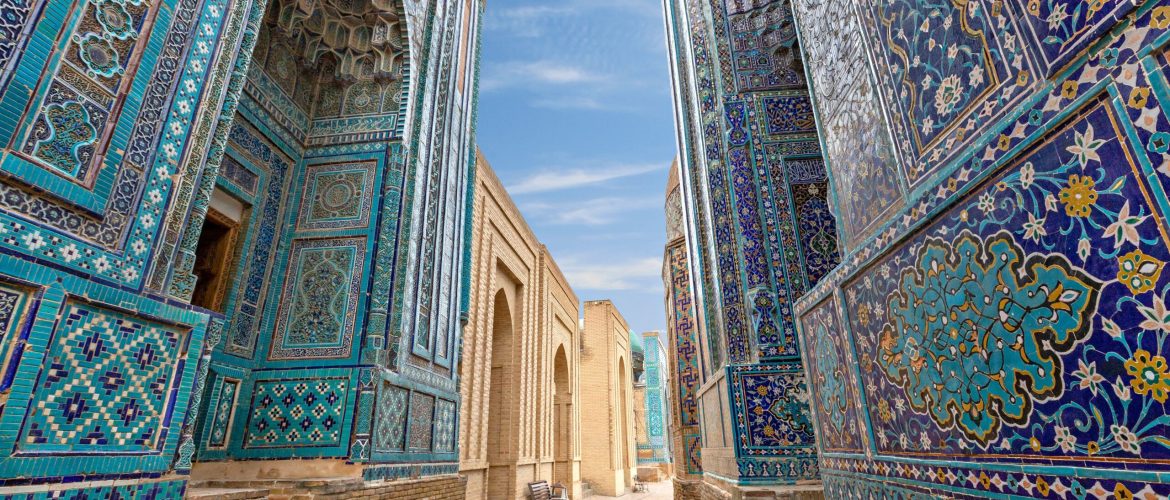
Uzbekistan is the most compelling destination on this list precisely because so few people in the luxury travel market are talking about it yet. The Silk Road cities of Samarkand, Bukhara and Khiva contain some of the most extraordinary Islamic architecture in the world. Tilework, minarets and madrasas that have stood for centuries in a landscape that feels entirely removed from the pressures of contemporary life. The country is majority Muslim, halal food is the default rather than a request and the government has invested significantly in tourism infrastructure over the last several years. The luxury hotel offering is still modest by the standards of more established destinations but the pioneering properties that have opened in Samarkand and Bukhara are worth the journey on their own. This is a destination to visit before the wider market catches on. That window is narrowing.